Background & Need:
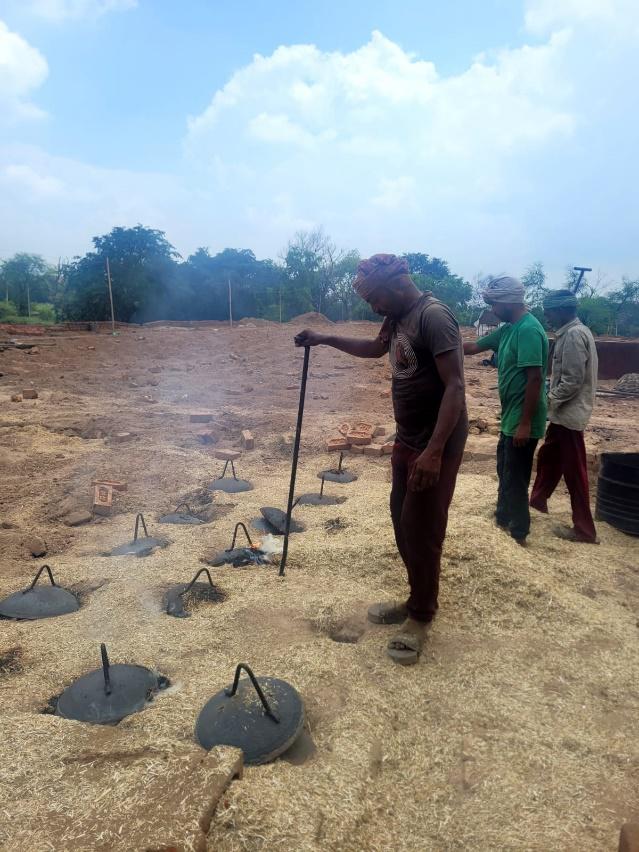
Heat stress is emerging as a major climate-related risk for India’s informal workforce, especially construction workers and brick kiln workers. It leads to physiological, social, and economic challenges, affecting livelihoods and productivity. This study, led by IIED and Change Alliance, aimed to generate actionable insights for building inclusive labour policies and climate resilience strategies.
Objectives of the Study:
- Understand Impacts – Assess physiological, social, and economic effects of heat stress on informal workers.
- Coping Mechanisms – Document how workers adapt and the role of gig platforms & public institutions.
- Policy Evidence – Provide data-driven recommendations that informs inclusive labour and climate resilience policies.
Study Locations:
- Delhi (Kapashera and adjoining areas/clusters) represented urban industrial clusters with high concentrations of construction workers and intense heat island effects.
- Agra-Mathura in Uttar Pradesh provided a semi-urban and rural context with significant brick kiln operations, offering insights into different work environments and heat exposure patterns.
- Ajmer-Jaipur in Rajasthan represent arid climate conditions and different governance structures having both construction and brick kiln workers.
Research Approach: